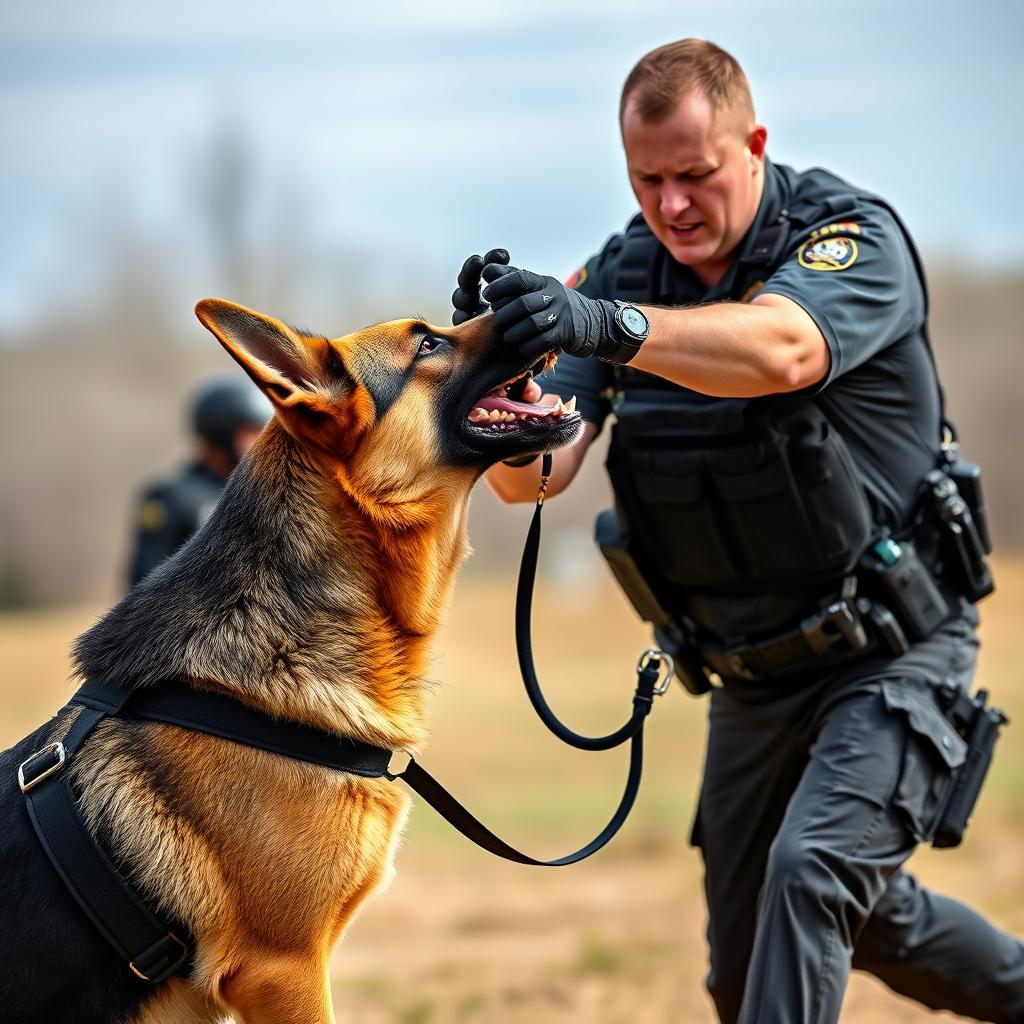
Police K9 units represent an invaluable law enforcement tool, providing capabilities in drug detection, explosive detection, tracking, and suspect apprehension that significantly enhance officer safety and operational effectiveness. However, the deployment of police dogs also creates substantial liability exposure that requires specialized insurance coverage and comprehensive risk management. Understanding the unique challenges of K9 liability and implementing appropriate protective measures is essential for any law enforcement agency operating canine units.
Understanding K9 Unit Liability Exposure
K9 unit liability encompasses a broad range of potential claims that extend far beyond simple dog bite incidents. The use of police dogs involves complex legal standards, constitutional considerations, and operational factors that create unique liability challenges requiring specialized insurance coverage and expert defense strategies.
Law enforcement canine operations involve several distinct liability categories that must be addressed through comprehensive insurance coverage:
- Physical Injuries: Dog bites, scratches, and other injuries to suspects, bystanders, or officers
- Excessive Force Claims: Allegations that K9 deployment constituted unreasonable force under the circumstances
- Constitutional Violations: Fourth Amendment claims involving unreasonable seizures through dog deployment
- Training Deficiencies: Claims that inadequate training contributed to improper K9 deployment
- Handler Negligence: Allegations of improper K9 handling or control during operations
- Property Damage: Destruction caused by police dogs during searches or apprehensions
The Constitutional Framework for K9 Deployment
Police K9 operations must comply with Fourth Amendment requirements governing reasonable seizures, creating a complex legal framework that influences liability exposure. Courts apply objective reasonableness standards to K9 deployments, considering factors such as the severity of the crime, threat to officer safety, and risk of suspect escape.
Key constitutional considerations include:
- Seizure Analysis: K9 deployment that results in physical contact constitutes a seizure requiring Fourth Amendment justification
- Reasonableness Standard: Courts evaluate whether K9 use was objectively reasonable under the totality of circumstances
- Warning Requirements: Many jurisdictions require warnings before K9 deployment, with exceptions for officer safety concerns
- Duration Limits: Extended K9 operations may violate constitutional requirements for reasonable seizure duration
Types of K9 Liability Claims
K9 liability claims encompass various legal theories and factual scenarios that require different defensive strategies and coverage approaches. Understanding these claim types helps agencies implement appropriate risk management and select comprehensive insurance coverage.
Bite Injury Claims
Dog bite claims represent the most common K9 liability exposure, typically involving physical injuries to suspects during apprehension operations. These claims can range from minor puncture wounds to severe injuries requiring extensive medical treatment and rehabilitation.
Bite injury claims often involve several critical factors that influence liability and damages:
- Injury Severity: The extent of physical injuries directly impacts potential damages and settlement values
- Medical Treatment: Emergency care, surgery, rehabilitation, and ongoing treatment costs
- Permanent Impairment: Long-term disabilities or disfigurement resulting from dog bites
- Infection Risk: Secondary infections that can complicate treatment and increase damages
- Psychological Impact: Emotional trauma and fear of dogs that may require counseling
Excessive Force Allegations
Excessive force claims involving K9 units require analysis of whether dog deployment was reasonable under the specific circumstances faced by officers. These claims often involve complex factual disputes about the threat level, available alternatives, and appropriateness of K9 use.
Factors influencing excessive force analysis include:
- Threat Assessment: The immediate danger posed by the suspect to officers or others
- Crime Severity: The seriousness of the offense that prompted K9 deployment
- Resistance Level: Whether the suspect was actively resisting or attempting to escape
- Alternative Options: The availability and effectiveness of less forceful apprehension methods
- Warning Provision: Whether adequate warnings were given before K9 deployment
- Control Measures: Whether handlers maintained proper control and terminated the contact appropriately
Training and Supervision Liability
Training deficiency claims target both the adequacy of K9 training programs and the competency of individual handlers. These claims often involve complex analysis of training standards, certification requirements, and ongoing education programs.
Training liability areas include:
- Initial Certification: Adequacy of basic K9 and handler training programs
- Ongoing Education: Regular recertification and skills maintenance requirements
- Scenario Training: Practice with realistic deployment scenarios and decision-making
- Constitutional Compliance: Training on legal standards and constitutional requirements
- Use of Force Integration: Training on K9 deployment within departmental force continuum
- Supervision Standards: Adequate oversight of K9 operations and handler performance
Legal Standards Governing K9 Operations
K9 operations must comply with various legal standards that have evolved through federal and state court decisions, creating a complex regulatory framework that influences liability exposure and insurance requirements.
Federal Court Standards
Federal courts have established several important precedents governing K9 operations that affect liability analysis and insurance coverage requirements:
- Tennessee v. Garner Standard: K9 deployment that may cause serious injury requires justification based on threat to officer or public safety
- Graham v. Connor Framework: Objective reasonableness analysis considering severity of crime, immediate threat, and resistance or escape attempts
- Rodriguez v. United States: Duration limits for K9 operations during traffic stops and investigative detentions
- Circuit Court Variations: Different federal circuits have developed varying standards for K9 deployment reasonableness
State Law Considerations
State laws and court decisions create additional legal requirements for K9 operations that must be considered in liability analysis and insurance coverage:
- Warning Requirements: State-specific requirements for warnings before K9 deployment
- Training Standards: State certification and training requirements for K9 units
- Civil Liability Statutes: State laws governing government liability for K9 operations
- Workers' Compensation: Coverage for officers injured during K9 operations
Specialized K9 Insurance Coverage Requirements
K9 liability requires specialized insurance coverage that addresses the unique risks and legal standards governing police canine operations. Standard liability policies may not provide adequate coverage for K9-specific exposures, making specialized coverage essential for comprehensive protection.
Essential Coverage Components
Comprehensive K9 liability coverage should include several specialized components that address the full range of canine-related exposures:
- K9 Deployment Coverage: Protection for claims arising from authorized K9 operations including apprehension, detection, and tracking activities
- Excessive Force Protection: Coverage for constitutional claims involving allegedly unreasonable K9 use
- Training Liability: Protection against claims alleging inadequate K9 or handler training
- Handler Protection: Coverage for individual handlers against personal liability claims
- Property Damage: Coverage for destruction caused by K9 operations during searches or apprehensions
- Off-Duty Incidents: Limited coverage for incidents involving police dogs while off-duty
Coverage Limits and Structure
K9 liability coverage limits should reflect the potential severity of claims and the specific risks faced by the department:
- Per-Incident Limits: Coverage amounts for individual K9-related claims
- Aggregate Limits: Annual maximum coverage for all K9 claims
- Defense Cost Structure: Whether legal defense costs erode policy limits or are provided in addition
- Medical Payment Coverage: Immediate medical coverage for K9-related injuries regardless of liability
Risk Management for K9 Units
Effective risk management represents the most important factor in reducing K9 liability exposure while maintaining operational effectiveness. Comprehensive risk management programs address training, policies, supervision, and operational procedures that influence both claim frequency and successful defense of claims that arise.
Training Program Excellence
Superior training programs provide the foundation for effective risk management and successful claim defense:
- Certified Training Programs: Use of nationally recognized training standards and certification requirements
- Regular Recertification: Ongoing training and testing to maintain K9 and handler proficiency
- Scenario-Based Training: Realistic training scenarios that prepare handlers for actual deployment decisions
- Constitutional Training: Education on legal standards and constitutional requirements for K9 deployment
- Documentation Requirements: Comprehensive records of all training activities and certifications
Policy Development and Implementation
Clear, comprehensive K9 policies provide crucial guidance for handlers while supporting successful defense of liability claims:
- Deployment Standards: Specific criteria for when K9 deployment is appropriate and justified
- Warning Protocols: Requirements for warnings before K9 deployment with safety exceptions
- Control Procedures: Standards for maintaining control during K9 operations and terminating contact
- Medical Response: Immediate medical care requirements for individuals injured during K9 operations
- Reporting Requirements: Comprehensive documentation of all K9 deployments and incidents
- Supervision Standards: Oversight requirements for K9 operations and handler performance
Claims Management and Defense Strategies
Successful management of K9 liability claims requires specialized expertise in both canine operations and constitutional law. The unique nature of K9 claims necessitates experienced defense counsel and comprehensive case preparation that addresses both tactical and legal aspects of canine deployment.
Immediate Response Protocols
Effective claim management begins with immediate response protocols that preserve evidence and protect the department's interests:
- Scene Preservation: Protecting physical evidence and documenting the incident location
- Medical Documentation: Comprehensive medical evaluation and treatment of injured parties
- Witness Identification: Locating and interviewing all potential witnesses to the incident
- Handler Statements: Detailed statements from K9 handlers about deployment decisions and observations
- K9 Assessment: Veterinary evaluation of the police dog's condition and behavior
- Policy Review: Analysis of whether the deployment complied with departmental policies
Expert Witness Utilization
K9 liability defense often requires expert witnesses who can explain the technical aspects of canine operations and training:
- K9 Training Experts: Specialists who can testify about proper training standards and handler competency
- Tactical Experts: Law enforcement professionals who can explain deployment decisions and tactical considerations
- Medical Experts: Healthcare professionals who can address injury causation and treatment requirements
- Canine Behaviorists: Experts who can explain dog behavior and training effectiveness
Special Considerations for Different K9 Specializations
Different types of K9 units present varying liability exposures that require specialized coverage and risk management approaches. Understanding these differences helps agencies tailor their insurance and risk management strategies to their specific K9 operations.
Patrol and Apprehension Dogs
Patrol dogs used for suspect apprehension present the highest liability exposure due to their training to bite and hold suspects:
- Bite Severity: Patrol dogs are trained to bite with force, creating significant injury potential
- Constitutional Standards: Higher scrutiny for use of force involving bite and hold techniques
- Training Requirements: Extensive training in controlled aggression and handler commands
- Deployment Criteria: Strict standards for when apprehension dog deployment is justified
Detection Dogs
Drug and explosive detection dogs present different liability considerations focused on search authority and probable cause:
- Search Validity: Constitutional challenges to searches based on dog alerts
- False Alerts: Liability for damages resulting from incorrect dog alerts
- Training Documentation: Detailed records of detection accuracy and training effectiveness
- Handler Interpretation: Proper understanding and communication of dog behavior and alerts
Tracking and Search Dogs
Search and rescue or tracking dogs involve unique liability exposures related to their specialized functions:
- Search Scope: Constitutional limits on tracking operations and property searches
- Emergency Responses: Liability for decisions made during urgent search operations
- Public Safety: Responsibility for protecting bystanders during tracking operations
- Environmental Hazards: Liability for injuries occurring during outdoor search operations
Emerging Trends in K9 Liability
The K9 liability landscape continues evolving in response to legal developments, technological advances, and changing community expectations. Understanding these trends helps agencies prepare for future challenges and adapt their insurance and risk management strategies.
Technology Integration
Advancing technology creates new opportunities and challenges for K9 operations:
- Body-Worn Cameras: Video documentation of K9 deployments providing both protection and scrutiny
- GPS Tracking: Technology for monitoring K9 locations during operations
- Training Simulators: Advanced training tools that may affect training adequacy standards
- Communication Systems: Enhanced coordination between handlers and supervisors
Legal Evolution
Ongoing legal developments continue shaping K9 liability exposure:
- Constitutional Standards: Evolving court interpretations of reasonable K9 deployment
- State Legislation: New laws governing K9 operations and training requirements
- Liability Limitations: Some jurisdictions considering enhanced protection for K9 operations
- Training Standards: Development of standardized national training and certification programs
Building a Comprehensive K9 Protection Program
Effective K9 liability protection requires integration of specialized insurance coverage, rigorous training programs, comprehensive policies, and proactive risk management. This holistic approach addresses both prevention and protection, ensuring agencies can utilize K9 capabilities effectively while managing liability exposure.
Program Integration Elements
A comprehensive K9 protection program incorporates multiple interconnected components:
- Specialized Insurance: Coverage designed specifically for K9 liability exposures
- Excellence in Training: Programs that exceed minimum standards and emphasize constitutional compliance
- Clear Policies: Comprehensive guidelines for K9 deployment and operations
- Active Supervision: Ongoing oversight of K9 operations and handler performance
- Continuous Improvement: Regular program evaluation and enhancement based on best practices
- Community Relations: Education and engagement to build understanding of K9 operations
Conclusion: Maximizing K9 Value While Managing Liability
K9 units represent an invaluable law enforcement resource that enhances officer safety, operational effectiveness, and community protection. However, the unique liability exposures associated with police canine operations require specialized insurance coverage, comprehensive training, and proactive risk management to ensure these units can fulfill their mission while protecting the agency from financial exposure.
Success in K9 liability management lies in understanding the complex legal standards governing canine operations, implementing comprehensive protection strategies, and maintaining the highest standards of training and operational excellence. Agencies that invest in specialized K9 liability coverage, superior training programs, and proactive risk management position themselves to realize the full benefits of canine capabilities while effectively managing associated risks.
The future of law enforcement will undoubtedly continue to include K9 units as essential operational components. Agencies that proactively address K9 liability through comprehensive insurance coverage, excellent training, and strong risk management practices will be best positioned to utilize these valuable resources effectively while protecting their financial stability and operational continuity.