Q: What is law enforcement liability insurance and why do police departments need it?
A: Law enforcement liability insurance provides financial protection for police departments, sheriff's offices, and security companies against claims arising from their official duties. This includes coverage for excessive force allegations, civil rights violations, wrongful arrest claims, and other professional liability situations. With the increasing frequency and cost of lawsuits against law enforcement, this insurance is essential for protecting both the department's finances and officers' careers.
Q: What types of claims are covered under police professional liability insurance?
A: Police professional liability insurance typically covers excessive force claims, wrongful arrest and detention, civil rights violations under federal statutes, failure to protect claims, malicious prosecution, invasion of privacy, employment practices violations, and discrimination claims. Coverage also extends to legal defense costs, which can be substantial even when claims are ultimately unsuccessful.
Q: How does coverage for excessive force claims work in law enforcement liability insurance?
A: Excessive force coverage protects against claims alleging officers used more force than reasonably necessary. This includes physical force, use of weapons, tasers, restraint techniques, and K9 deployments. The insurance covers legal defense costs, settlements, and judgments, while also providing crisis management support to help departments handle media attention and public relations challenges following incidents.
Q: Does law enforcement liability insurance cover civil rights violations under Section 1983?
A: Yes, quality law enforcement liability policies include coverage for federal civil rights claims under 42 U.S.C. Section 1983. This federal statute allows individuals to sue government officials for violations of constitutional rights. Coverage includes claims for unreasonable search and seizure, due process violations, equal protection claims, and First Amendment violations that may arise during police activities.
Q: What is covered under wrongful arrest and detention protection?
A: Wrongful arrest coverage protects against claims that an arrest was made without proper legal justification or that detention was prolonged beyond reasonable limits. This includes false imprisonment allegations, improper booking procedures, failure to release suspects timely, and arrests made without probable cause. Coverage extends to both the arresting officers and the employing agency.
Q: How does K9 unit liability coverage work within law enforcement insurance?
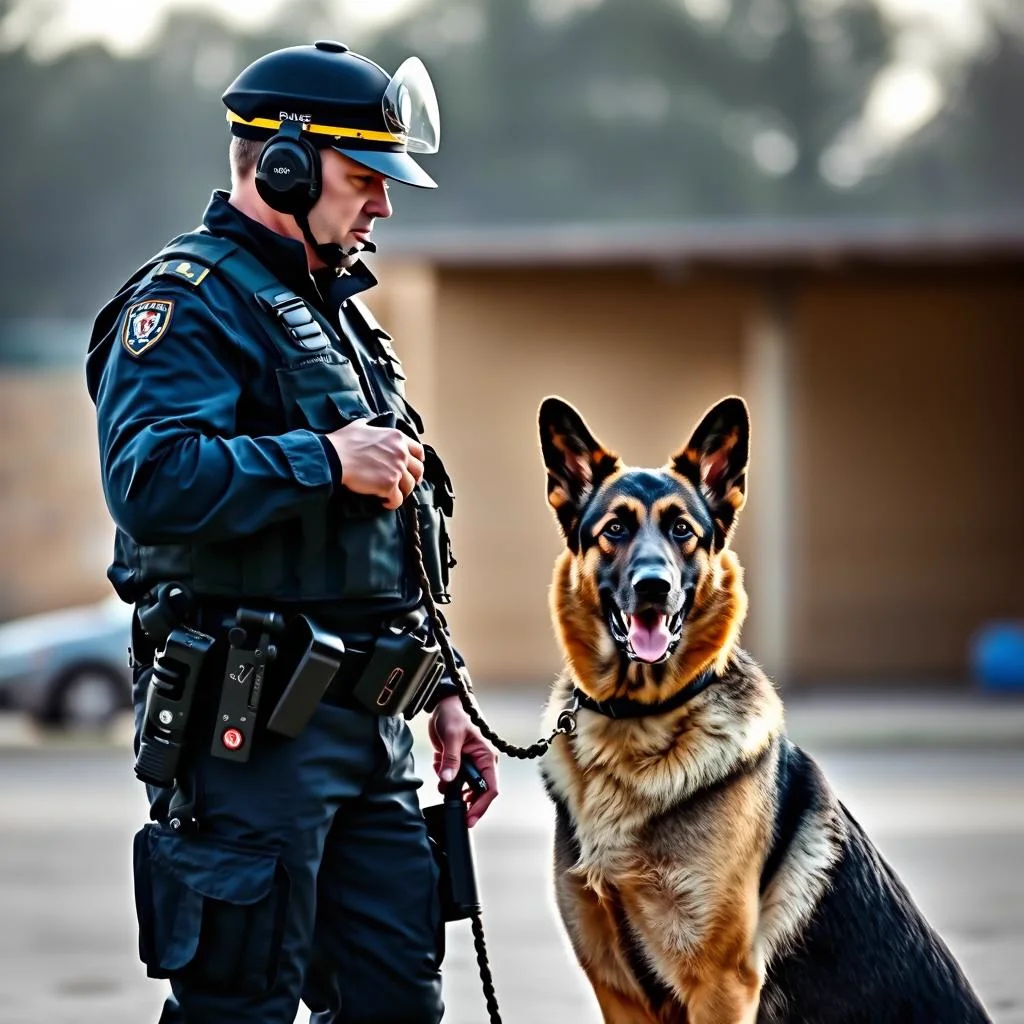
A: K9 unit liability is a specialized coverage addressing the unique risks of police dogs. This includes bites or injuries to suspects, bystanders, or other officers, property damage caused by police dogs, allegations of excessive force involving K9 deployments, and claims related to improper training or handling of police dogs. Given the significant liability exposure, dedicated K9 coverage is crucial for departments using police dogs.
Q: What does pursuit liability coverage include for law enforcement agencies?
A: Pursuit liability covers claims arising from high-speed chases and emergency vehicle operations. This includes injuries to suspects, innocent bystanders, or other motorists during pursuits, property damage from pursuit-related accidents, wrongful death claims, and allegations of improper pursuit policies or training. Coverage also addresses claims related to pursuit termination decisions and supervisory oversight.
Q: How does employment practices liability apply to law enforcement agencies?
A: Employment practices liability for law enforcement covers discrimination, harassment, wrongful termination, and retaliation claims by current or former employees. This includes allegations of discrimination based on race, gender, age, or other protected characteristics, sexual harassment within the department, wrongful termination of officers or civilian employees, and retaliation against whistleblowers reporting misconduct.
Q: What training liability coverage is available for police departments?
A: Training liability coverage protects against claims that inadequate training contributed to an incident or injury. This includes failure to train claims under Monell doctrine, allegations of improper use-of-force training, inadequate crisis intervention training, insufficient de-escalation instruction, and claims related to outdated policies or procedures. Coverage is essential given courts' focus on training adequacy in liability determinations.
Q: Does law enforcement liability insurance cover body-worn camera related claims?
A: Modern law enforcement liability policies increasingly address body-worn camera issues, including privacy violation claims from recorded individuals, allegations of selective recording to hide misconduct, technical failures that prevent recording of incidents, improper storage or handling of video evidence, and claims related to public disclosure of sensitive recordings. This coverage is becoming essential as body cameras become standard equipment.
Q: How does municipal liability protection work for government entities?
A: Municipal liability coverage protects the government entity employing law enforcement officers. This includes coverage for the municipality as a defendant in civil rights lawsuits, protection against claims of inadequate supervision or training, coverage for policy and custom claims under Monell doctrine, and defense against claims challenging departmental policies or procedures. This coverage is crucial since municipalities are often primary targets in law enforcement lawsuits.
Q: What crisis management services are included with law enforcement liability insurance?
A: Crisis management services help departments handle the immediate aftermath of critical incidents. This includes 24/7 crisis hotlines for immediate consultation, public relations support to manage media coverage, assistance with internal investigations, coordination with legal counsel, and guidance on policy reviews following incidents. These services are invaluable for protecting the department's reputation and ensuring proper incident response.
Q: How are legal defense costs handled in law enforcement liability claims?
A: Legal defense costs in law enforcement liability insurance are typically handled on a "duty to defend" basis, meaning the insurer provides immediate legal representation regardless of the claim's merit. Defense costs are usually covered in addition to policy limits, ensuring maximum protection. This includes costs for depositions, expert witnesses, court filings, and trial expenses, which can easily exceed hundreds of thousands of dollars in complex cases.
Q: What factors affect the cost of law enforcement liability insurance premiums?
A: Premium costs depend on department size and officer count, claim history and loss experience, training programs and policies in place, use of force statistics and complaint ratios, community demographics and crime rates, coverage limits and deductibles selected, and risk management practices implemented. Departments with strong training programs and proactive risk management typically receive better rates.
Q: Are off-duty incidents covered under law enforcement liability insurance?
A: Coverage for off-duty incidents depends on the specific policy language and circumstances. Many policies provide coverage when officers are acting in their official capacity while off-duty, such as responding to crimes in progress or making arrests. However, coverage may be limited or excluded for purely personal activities unrelated to police duties. It's important to review policy terms carefully to understand off-duty coverage scope.
Q: How does federal civil rights investigation coverage work?
A: Federal investigation coverage protects departments during investigations by the Department of Justice, FBI, or other federal agencies. This includes legal representation during federal investigations, assistance with consent decree negotiations, support for pattern-and-practice investigations, and guidance on compliance with federal requirements. Given the serious consequences of federal intervention, this coverage is increasingly important for law enforcement agencies.
Q: What role does risk management play in law enforcement liability insurance?
A: Risk management is crucial for both preventing claims and maintaining affordable coverage. This includes regular policy and procedure reviews, comprehensive officer training programs, early warning systems for problem officers, proper supervision and oversight structures, and incident documentation and reporting systems. Insurers often provide risk management services and may offer premium discounts for departments implementing strong risk management practices.
Q: How long does it take to process law enforcement liability insurance claims?
A: Claim processing timelines vary significantly based on complexity, but insurers typically respond to claim notifications within 24-48 hours for critical incidents. Simple claims may resolve within weeks, while complex federal civil rights cases can take months or years to resolve. Throughout the process, insurers provide regular updates and work closely with departments to minimize disruption to operations while ensuring adequate legal protection.